Give & Receive Energy

Summary
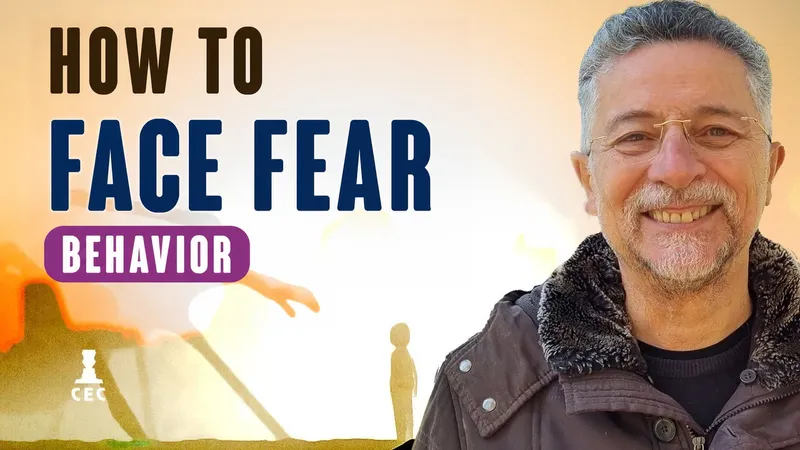
Fear arises from disorganization caused by a lack of energy and inner resources for understanding and discernment. Better discernment helps with assessing situations and regulating reactions. Inner fears are invisible and cannot be confronted directly: what is feared may be only a symptom of an emotional fear, not its cause. Understanding the threat is essential to eliminating it; trying to destroy it in a state of euphoria tends to provoke disproportionate and violent reactions, including in groups.
Source transcript
It is essential to understand how fear forms within us and map out a path to obtain better results with who we really are, instead of being harmed by internal constructs that hinder us. Fear arises from disorganization caused by a lack of energy and internal resources for understanding and discerning the environment.
When we discern well, we can assess situations better because we have knowledge that allows us to do so. Our reaction speed is monitored more effectively and, consequently, our happiness increases. Facing fear involves certain mechanisms. We can simply raise a banner and face fear as though it were an enemy, attacking—even if alone—with the strength of our beliefs. This is the euphoric way of facing something we perceive as a threat. Jingoism and following a leader caught up in euphoria lead to extreme reactions.
The euphoric reaction is, most of the time, disproportionate. In daily life, we see people acting in an exaggerated manner, such as using a tank to kill a mosquito. They need to be certain that they will eliminate the threat. However, we cannot eliminate any threat without understanding it. We can postpone it or create temporary stopgap measures, but that does not work in the long term.
Euphoria is an attempt to guarantee that we will destroy the threat that causes us fear. However, it can be created by a mob that unites against someone. Fear provokes violent reactions, making the threat seem terrible. We live in an internal war in which our emotional conflicts are the origin of all wars. A dictator, for example, is a coward who only feels safe with a group at his side. If he were alone, he would have to face his inner fears, which are the basis of his life. This fear is invisible, and we cannot face it directly. When someone says they are afraid of insects, that fear is emotional: the insect may be only the symptom, not the cause.
Questions raised by this material
- How does fear develop?
- Why does facing fear with euphoria fail?
Keywords
How to cite
Esagüi, M. (2024, March 23). How to Face Fear (Human Factors) [Video]. Center for Consciousness Studies. https://centrodeestudos.org/en/library/how-to-face-fear-human-factors/