Give & Receive Energy

Summary
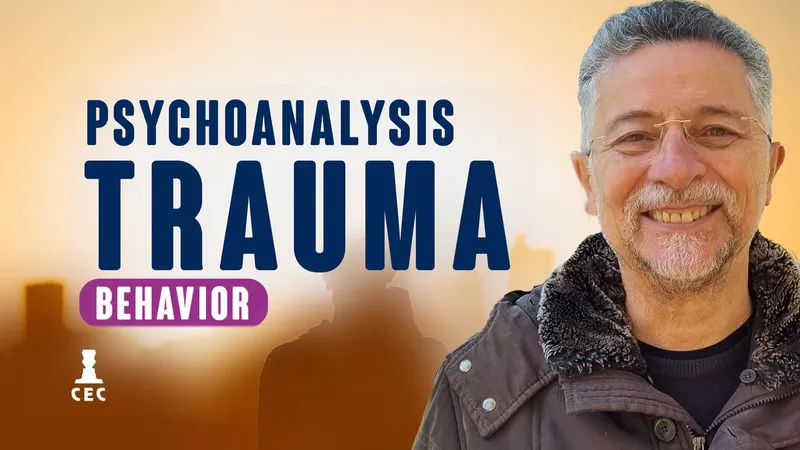
Trauma is a psychological wound caused by an excess of repressed emotional energy in the face of unbearable suffering. Defense mechanisms seek to ward off pain, but they can create barriers that restrict action and cause life to stagnate. By repeating situations that reactivate the wound, a person tries to resolve the suffering and derives a secondary gain: pain and pleasure generate the same amount of euphoric energy. Often, however, they lack the inner resources to overcome the problem. Emotional energy can be put to positive use through understanding, acceptance, imagination, and will; suffering can only be resolved through feeling, a form of understanding broader than emotion.
Source transcript
Traumas are more than marks on our psychic apparatus. When an event influences us negatively, causing fear or insecurity, we have been affected and retain this information that bothers us and accompanies us. The way this information is stored is called emotional energy. Everything is energy, and in this case, it is emotional energy. Memory exists because of this energy, and this is where our solutions and problems begin. With memory, we can accomplish countless important things, but we also carry unpleasant memories.
Feelings such as tension, fear, anger, hatred, apprehension, revenge, spite, bad moods, aggressiveness, irritability, and expectation are negative energies. Joy, goodwill, good humor, sensitivity, sympathy, cooperation, receptivity, and communication are positive energies. Optimism, affection, generosity, courtesy, and companionship are also positive energies. We can work on this side to make ourselves happy or, conversely, unhappy and bitter. Expectation is the father or mother of grief. The loss of a loved one is not a happy energy; it is a reference point that leaves our sphere of coexistence. We need to find a path for this energy; otherwise, the grief drags on. Books on psychology, psychoanalysis, and even psychiatry say that normal grief lasts from six months to a year; that period has changed, but I believe this range is still valid and that grief beyond it is pathological.
Transforming this energy into something healthy can help us and others. All emotional energy can be used positively, even problems that seem to have no solution. We can transform them into happy and healthy things by using our capacity for abstraction, imagination, and will. Imagine a situation that causes fear or tension: this energy does not cause problems if we understand and accept it. Otherwise, we try to push it into our unconscious, where we will keep it for a long time, requiring constant effort. If the energy from an unaccepted situation is great, it can turn into something difficult to handle, such as an illness.
A classic example is a six-year-old boy watching his parents argue. This high-tension scene can mean the loss of everything. Expectation is the father and mother of grief, which occurs because of a loss or threat of loss. The child's inner question is: how can I live without my parents? This internal tension needs to be repressed in order to survive.
Repression is the attempt to rid oneself of suffering caused by an external situation that we cannot control and that becomes unbearable. This can generate various defense mechanisms: the need to control the environment, the feeling of being watched or persecuted, guilt, withdrawal from reality, and difficulty relating to authority figures. This difficulty may manifest in relation to one's boss, father, a more experienced friend, among others.
There may also be difficulties relating to people of the male or female sex, or with both, difficulties establishing an intimate relationship, and disorganization in everyday activities, leading to a state of confusion. The reference points in our life help organize it, but difficulties with concentration may arise and turn into traumas. Trauma means wound: an excess of energy that causes a form of pleasure that the ego does not accept, leading to a life beyond the healthy limit for working through acceptable experiences.
Trauma is an amount of repressed emotional energy, with varied meanings, that originates from an initial defense and develops into mechanisms, well or poorly organized, for dealing with suffering that cannot be revealed either to the person themselves or to others. This can manifest as anxiety, fears, aggressiveness, tension, and self-monitoring, and may develop into disorders such as OCD. To state that someone is traumatized is to say that the person has an unhealed psychological wound that can open or hurt occasionally, even without knowing its origin.
Trauma leads to a paradox: although the person adopts avoidance mechanisms, they often become involved in situations that activate their wound, repeating events that cause suffering in an attempt to resolve what bothers them. There is a secondary gain in this repetition, because the emotional processes of pain and pleasure are the same in the psychic apparatus, generating the same amount of euphoric energy. This explains why some people find pleasure in painful situations.
Compulsion and repetition are ways of reliving pleasure in disguise, without anyone noticing. The person repeats situations that awaken emotions similar to those of the traumatic situation, trying to live more appropriately with what disturbs them. However, they often do not possess the internal resources needed to overcome the problem. We can infer that the energy and resources for overcoming traumatic symptoms are in the trauma itself, and some professionals say that this will keep repeating until the person learns or understands what they need from that episode.
In any experience, there is an opportunity to learn in order to overcome problems and difficulties. What we do is try to explain through emotion what can only be resolved through feeling, which is the broadest form of understanding. Some people cannot tolerate being touched, become paralyzed in the presence of authority figures, or terrified during tests. Others are frightened by animals, insects, or flying on an airplane. These situations may indicate the reliving of a trauma, awakening an emotional memory of something that has already happened.
When we face difficulties, there is likely a similar situation in the past that leads us to this emotional fear. The situation was stored in the basement of consciousness. We need to make the most of our life. Our traumas create emotional barriers in everything we do, leading us to stop acting and adapt. This adaptation comes at a high cost, because our path becomes stagnant.
Questions raised by this material
- How does emotional trauma develop?
- How can you transform the emotional energy of a trauma?
- How can trauma affect behavior?
- Why do we repeat painful experiences?
Keywords
How to cite
Esagüi, M. (2018, October 6). Psychoanalysis - Trauma [Video]. Center for Consciousness Studies. https://centrodeestudos.org/en/library/psychoanalysis-trauma/