Give & Receive Energy

Summary
Assertive behavior allows you to state your position calmly, with little or no aggression or passivity, focusing on solutions rather than ego clashes. This reduces hurt feelings and difficulties in relationships. This behavior can be learned to a certain extent and requires effort, but being assertive means having internalized emotional disarmament and perceiving things with greater clarity and discernment. To do this, you need to understand passive and aggressive behavior and learn to deal with them, keeping an open mind and living with sincerity in the pursuit of emotional balance.
Source transcript
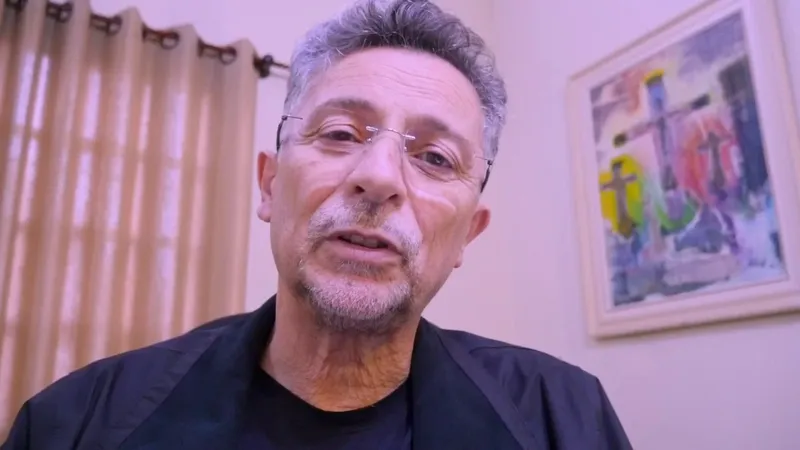
Someone asked where to find the paintings I make with a cotton swab. I use various materials, such as a palette knife and a cotton swab, to create my works. The painting behind me, for example, was partly painted with a cotton swab and a palette knife. I learn by observing different materials used in art, and once I saw someone using a small stick and painting with a small piece of wood before using a cotton swab for touch-ups. That inspired me to try the cotton swab in my paintings. With skill, it is possible to obtain good effects.
I want to talk about assertive behavior, a subject I have addressed in courses on assertiveness in relationships for more than fifteen years—much more—although my calculations of time sometimes fail. Communication and relationships are fundamental for absorbing useful information. The assertive person is able to take a position calmly, without the burdens of aggressiveness or passivity, or with very few of them. This makes situations such as giving lectures or starting conversations with strangers easier because they focus on the situation, not on the direct relation with the other person.
The assertive person is less prone to defenses, prejudgments, and inferences. In meetings, for example, they direct the focus toward the solution of the problem, not toward ego disputes. This results in less hurt and fewer relationship difficulties, allowing them to feel free and relaxed. Up to a point, assertive behavior can be learned and used; having that behavior demands effort and work. Being assertive, in turn, means having incorporated the inherent quality of emotional disarmament and seeing things with greater lucidity and discernment.
I believe that, to reach that point, we need to understand passive and aggressive behaviors and learn how to deal with them. Human relationships are full of conflict, often focused on defeating the other person. This behavior indicates that there is still much to learn about the meaning of what we came to do on Earth. If we keep an open mind and live more sincerely, we can seek maximum emotional balance and perhaps, one day, free ourselves from the whole emotional lump we have created in our relationships with ourselves and others. This is a good path to follow.
Questions raised by this material
- How does assertive behavior improve relationships?
- What is the difference between behaving assertively and being assertive?
Keywords
How to cite
Esagüi, M. (2017, March 22). Assertive Behavior [Video]. Center for Consciousness Studies. https://centrodeestudos.org/en/library/assertive-behavior/